



Understanding the $7,500 federal tax credit for buying an electric vehicle
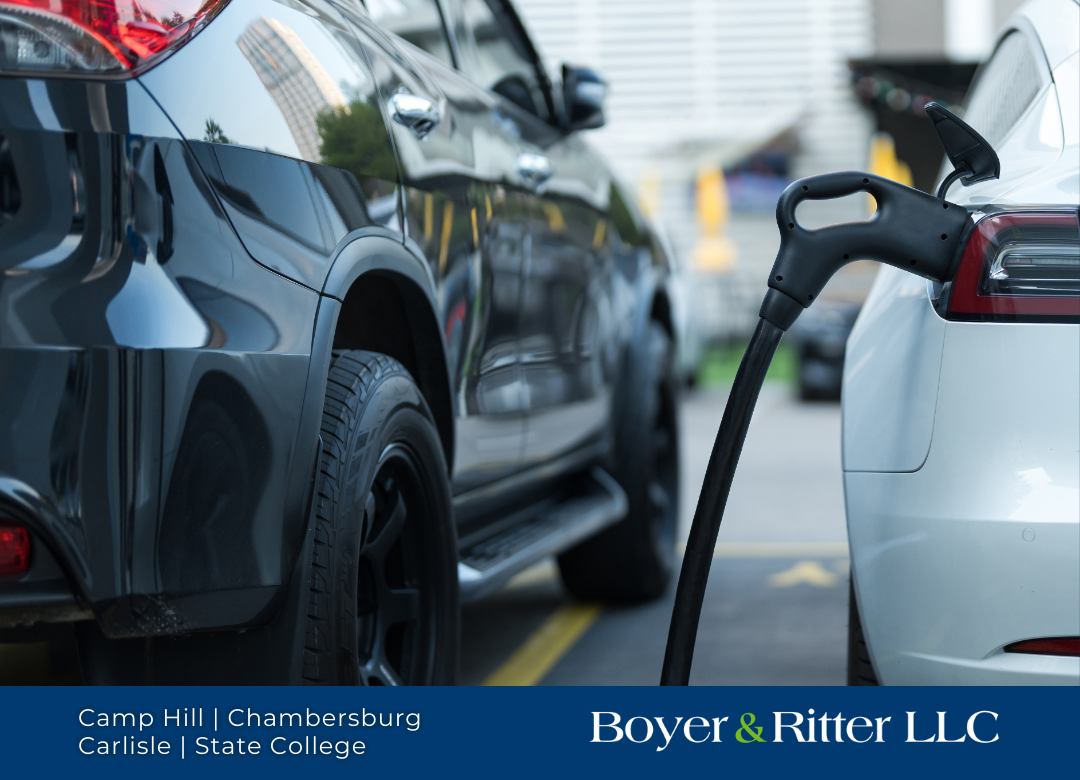 Electric vehicles (EVs) have become increasingly popular. According to Kelley Blue Book estimates, the EV share of the vehicle market in the U.S. was 7.6% in 2023, up from 5.9% in 2022. To incentivize the purchase of EVs, there’s a federal tax credit of up to $7,500 for eligible vehicles.
The tax break for EVs and fuel cell vehicles is called the Clean Vehicle Tax Credit. The current version of the credit was created under the Inflation Reduction Act. Here are answers to some frequently asked questions.
Which vehicles qualify for the credit?
To qualify for the full $7,500, there are several requirements. For example:
- The vehicle must be a new plug-in electric or fuel cell vehicle.
- It must have a battery capacity of at least seven kilowatt hours.
- It must meet critical mineral and battery component requirements for vehicles placed in service on or after April 18, 2023. (If the vehicle meets only one of the two requirements, the buyer is eligible for a $3,750 credit.)
- The vehicle must undergo final assembly in North America and have a gross vehicle weight rating of less than 14,000 pounds.
- It must be purchased for personal use (not for resale) and must be primarily used in the United States.
Are the most expensive EVs eligible for the credit?
No. The vehicle’s manufacturer suggested retail price (MSRP) can’t exceed:
- $80,000 for vans, sport utility vehicles and pickup trucks, and
- $55,000 for other vehicles.
Are there income limits for the buyer?
Yes. To qualify for the new vehicle credit, your modified adjusted gross income (MAGI) can’t exceed $300,000 for married couples filing jointly, $225,000 for taxpayers filing as heads of households or $150,000 for other filers.
How is the credit claimed?
There are two ways. When we prepare your tax return, we’ll file Form 8936 with it. Alternatively, beginning in 2024, you can choose to transfer the credit to an eligible dealer when you buy a vehicle, which will effectively reduce the vehicle’s purchase price by the credit amount. If you don’t transfer the credit, it’s “nonrefundable” so you can’t get back more on the credit than you owe in taxes. And you can’t apply any excess credit to future tax years.
Does a used EV qualify for a tax credit?
Yes, but it’s not worth as much as the credit for new vehicle and the income limits are lower. Beginning January 1, 2023, if you buy a qualified used EV or fuel cell vehicle from a licensed dealer for $25,000 or less, you may be eligible for a credit of up to $4,000. Your MAGI can’t exceed $150,000 for married couples filing jointly, $112,500 for taxpayers filing as heads of households or $75,000 for other filers.
Check before you buy
If you’re interested in purchasing an EV, the tax credit can be a powerful incentive. But before you buy, make sure you meet all the eligibility requirements so you’re not disappointed. Many taxpayers and vehicles don’t qualify. Contact us for assistance.
© 2024
